Research
Research
Overview
My research
My research asks how Africans have made, contested and lived with science, medicine and the environment, from the colonial period to the present. I work across the history of medicine and global health, environmental history and the medical humanities, and African diaspora and Global Black Studies, following the African practitioners, laboratories, forests and publics who shaped disease control in West Africa.
PhD dissertation · 2025
My dissertation, “Nigeria’s Biomedical Public: African Medical Practitioners in the Environment, Politics and Science of Disease Control in Africa from 1850 to 1990”, follows West African medical practitioners through more than a century of disease control in Nigeria, from yellow fever and smallpox campaigns under colonial rule to the vaccine laboratories of the independent state. I am now revising it as a book for Ohio University Press.
MA thesis · 2020
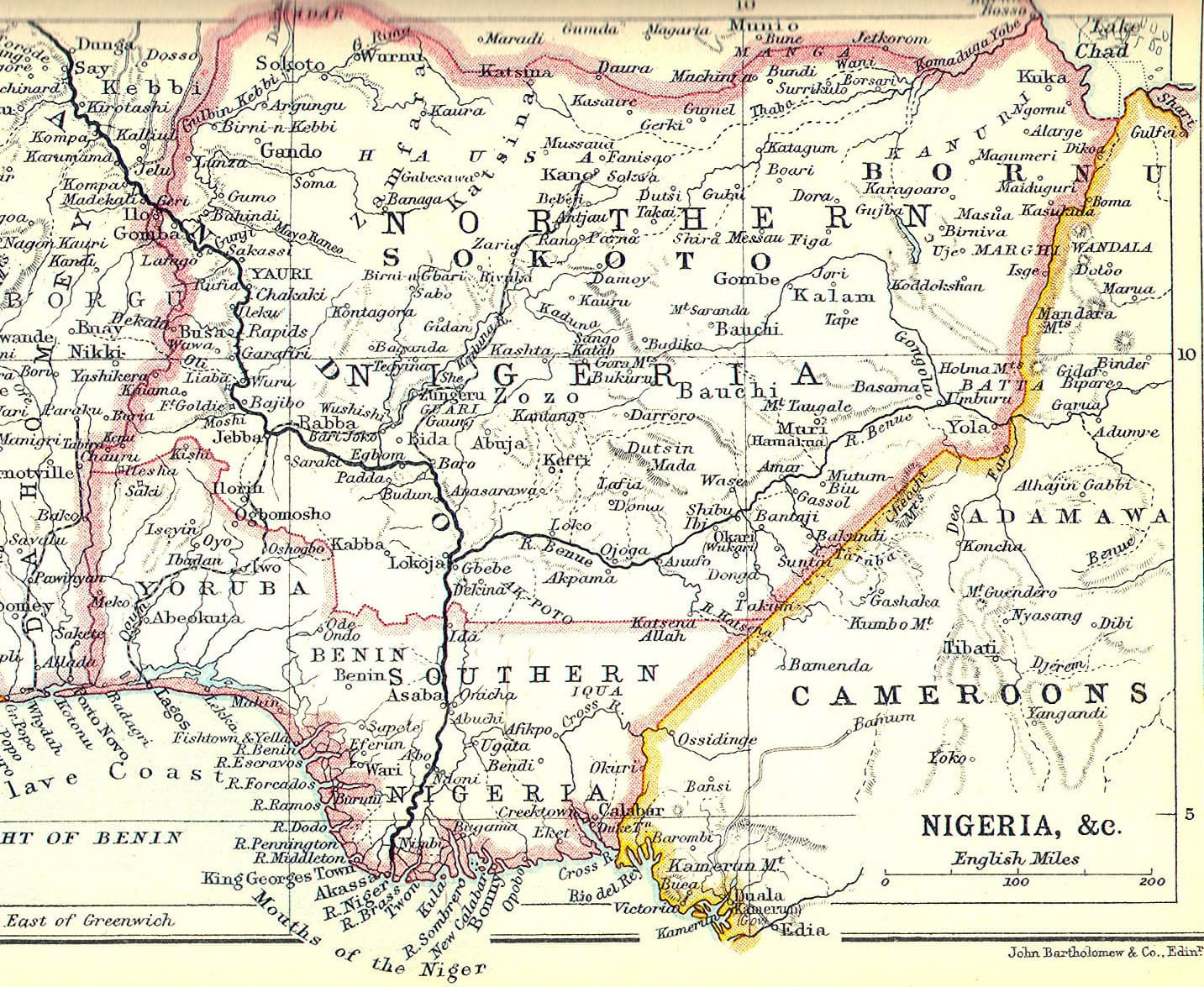
My MA thesis at the University of Wisconsin–Madison, “The Historical Epidemiology and Racial Geographies of Yellow Fever in West Africa, 1800–1930”, traced how yellow fever was understood and mapped in West Africa, and the racial geographies that colonial medicine drew around it. I am extending that work with historical GIS at Brown, remapping the epidemiology of yellow fever in West Africa from 1910 to 2020.
MA thesis · 2018
My earlier MA thesis in Peace and Development Studies at the University of Ilorin, “Lagos State Management of the Ebola Crisis and its Implications on Health Security”, examined how Lagos State contained the Ebola outbreak and what its response meant for health security in Nigeria.
Fieldwork
Interviews and the book
The book rests on oral history as well as the archive. I have interviewed Nigerian scientists and physicians whose careers run through the disease-control work it describes, in Nigeria and in the United States.
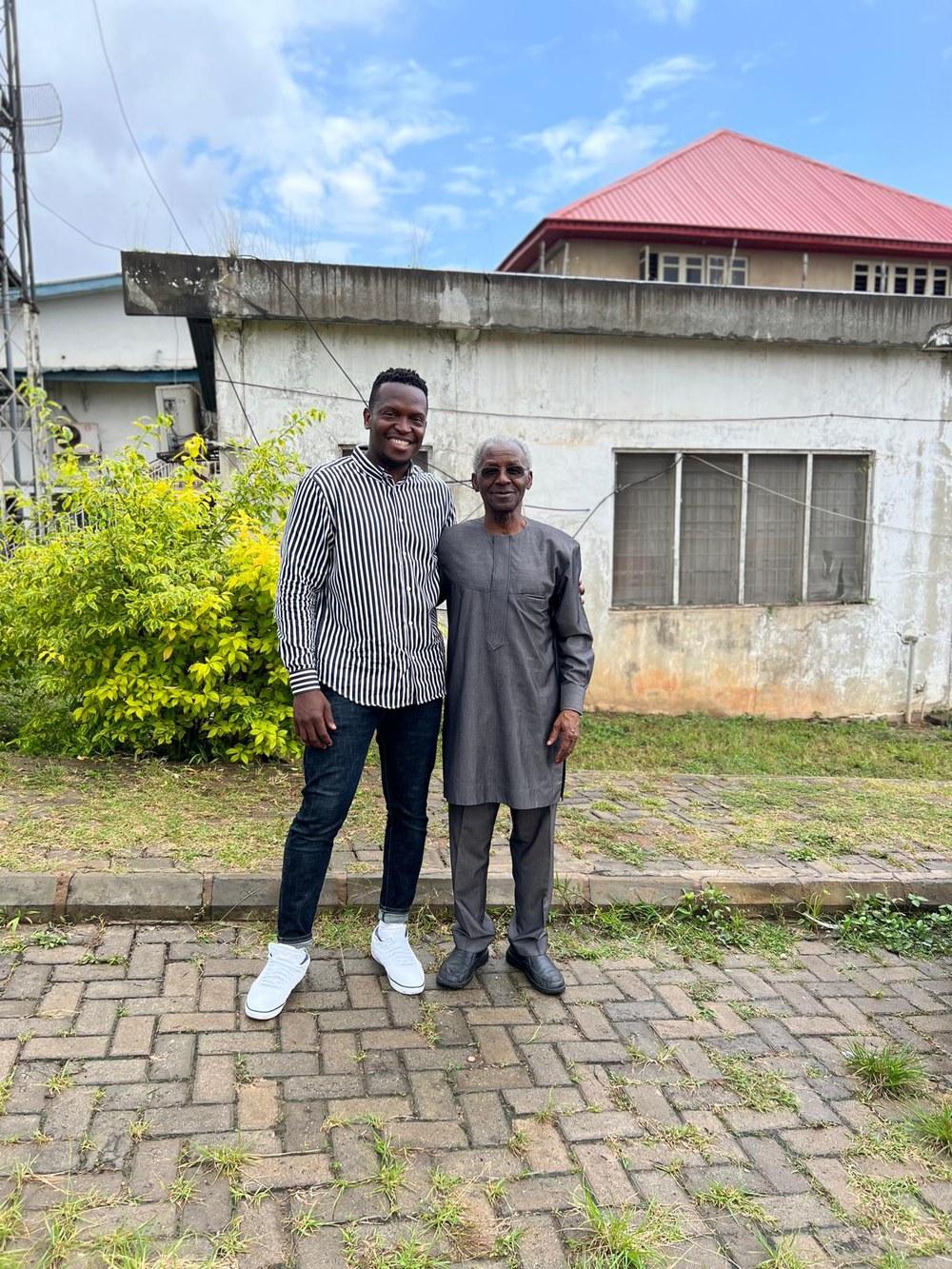
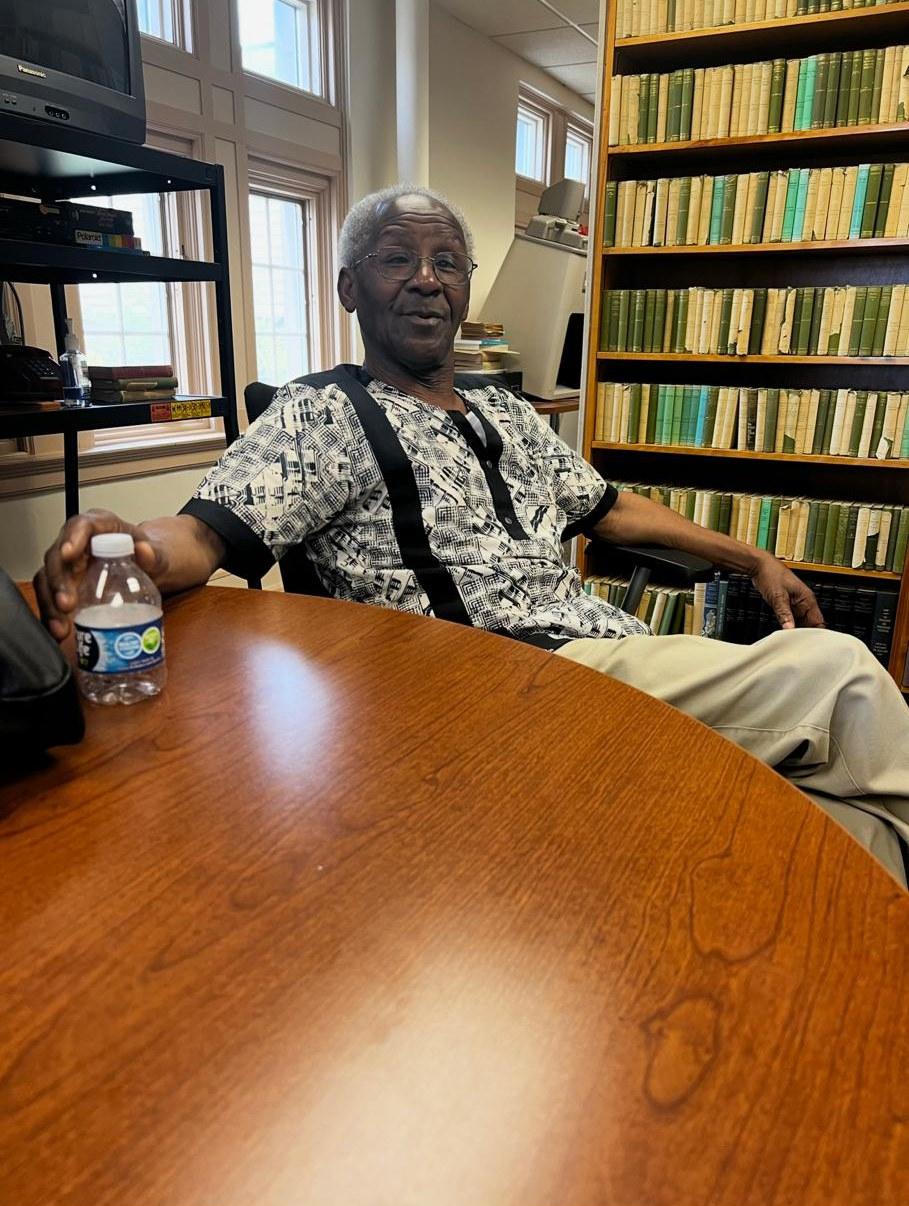
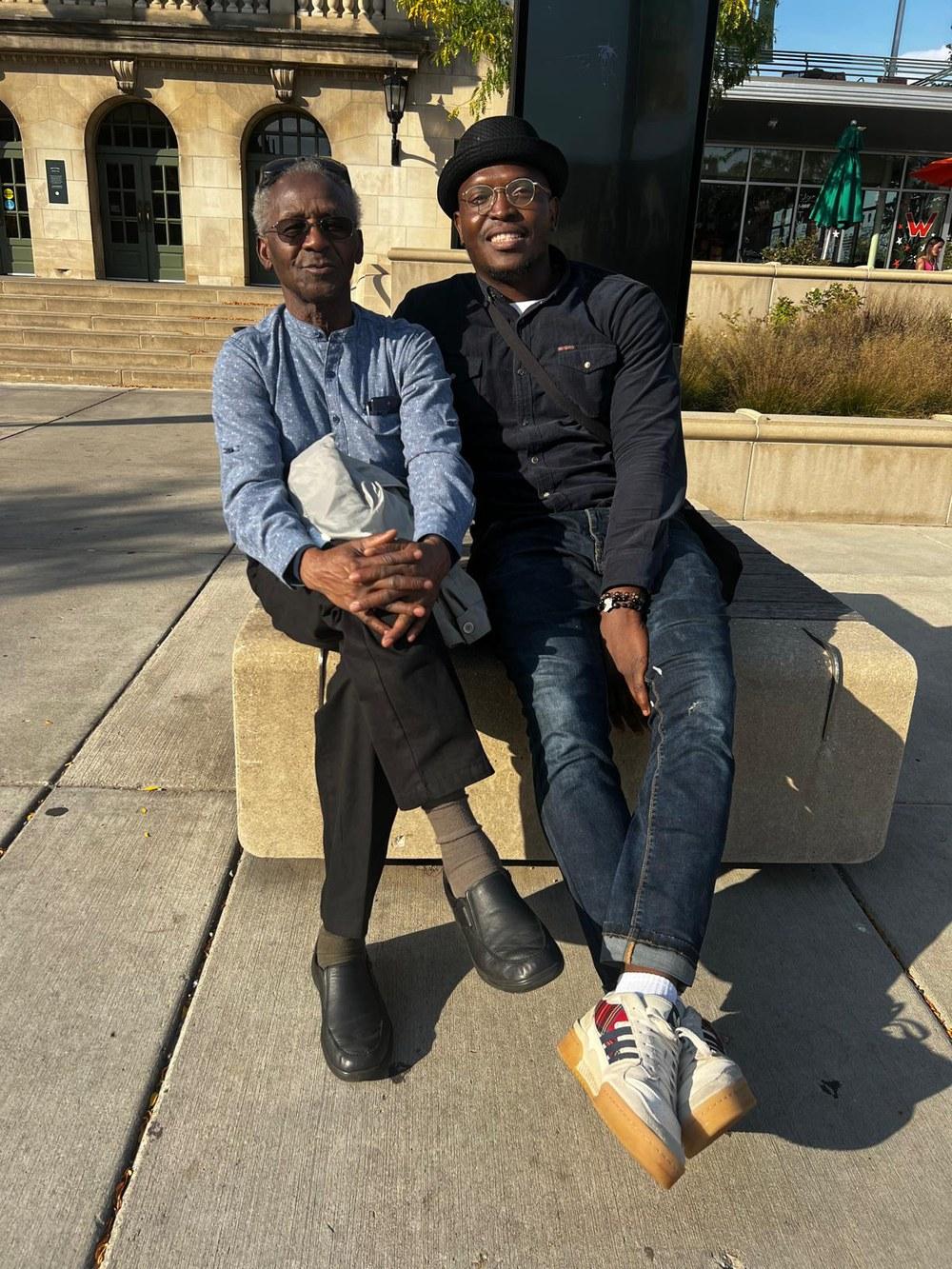
01With Oyewale Tomori in Nigeria.
Oyewale Tomori · Nigerian virologist
Oyewale Tomori is a Nigerian virologist whose work on viral disease and vaccines overlaps with much of the book. I interviewed him for this research in Nigeria and again in the United States.
Fieldwork
Institutions and sources
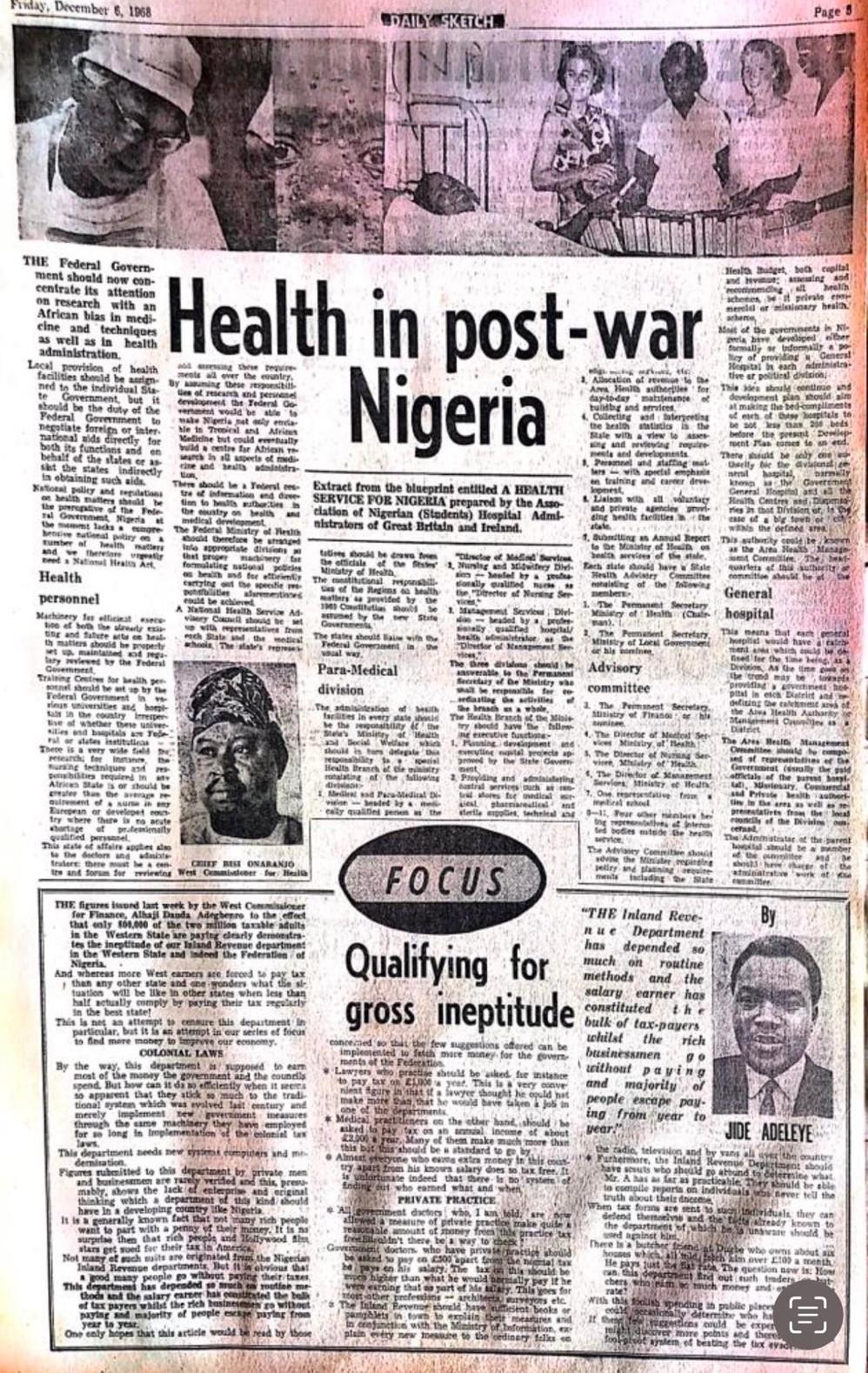
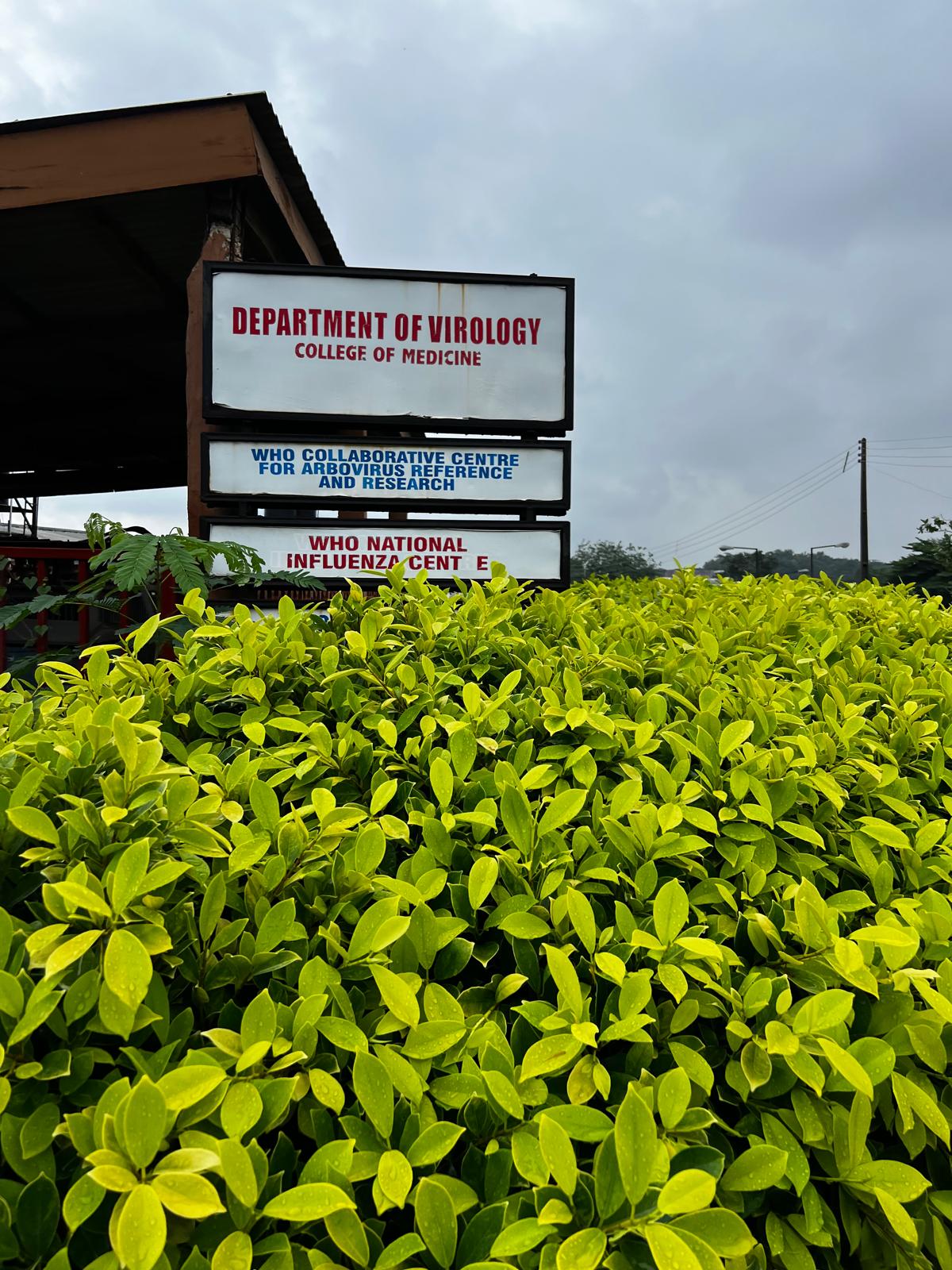
The book follows institutions as well as people. Some of the places it returns to are the Nigerian Institute of Medical Research in Lagos and university departments of virology.
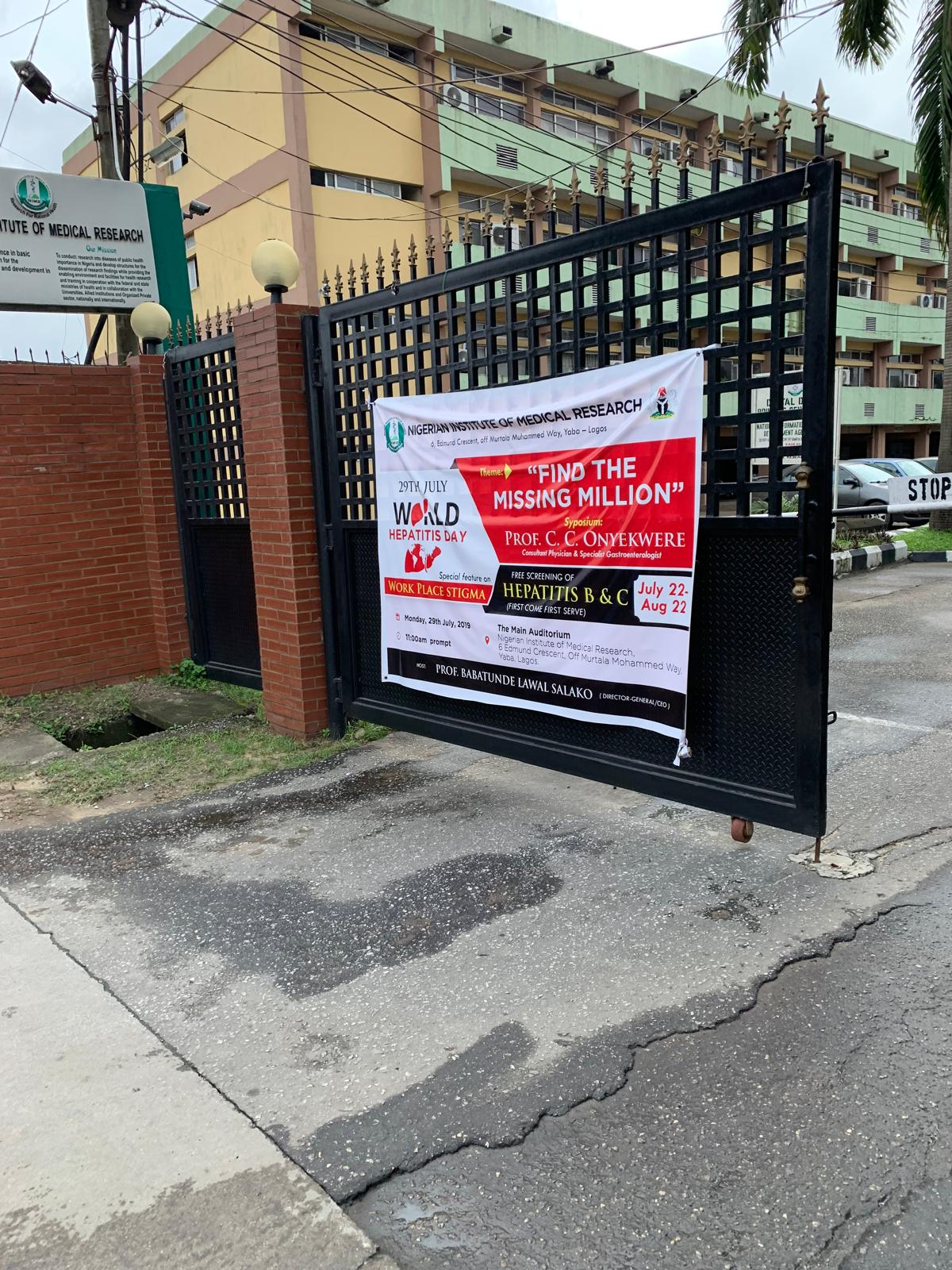
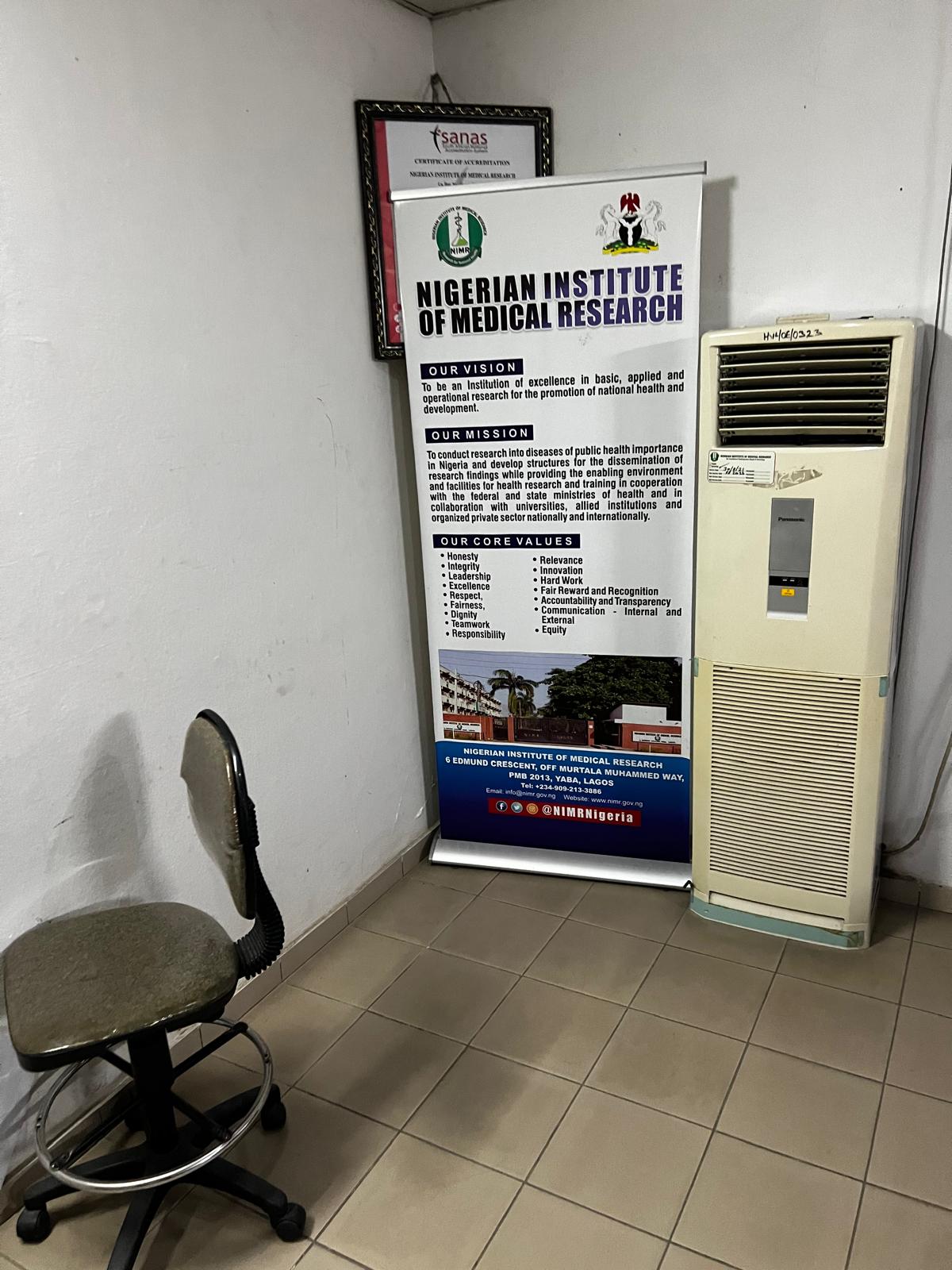
01The gate of the Nigerian Institute of Medical Research, Yaba, Lagos, with a banner for World Hepatitis Day, 29 July 2019.
Themes
Areas of work
- 01
Medicine & global health in Africa
How African practitioners, laboratories and publics shaped disease control and vaccines, from yellow fever in colonial Nigeria to cholera and Ebola after independence.
- 02
Environmental history & humanities
Forests, extraction and healing in southwestern Nigeria, and the environmental trauma that colonial science and conservation left behind.
- 03
African diaspora & Global Black Studies
Archives, mourning and remembrance in Global Black health, with the Tejumola Olaniyan Research Group and Foundation.
- 04
Historical GIS & epidemiology
Mapping disease over time, including a remapping of the historical epidemiology of yellow fever in West Africa, 1910–2020.
Collaborations
Projects
Fragments of the Forest
ERC Advanced Grant · Project collaborator, 2022–present
Hot zones, disease ecologies and the changing landscape of environment and health in West Africa, led by Gregg Mitman. Includes archival and field research in Nigeria on the Rockefeller Foundation’s West Africa Yellow Fever Commission.
Remapping yellow fever in West Africa
Historical GIS · GIS Institute, Brown University, 2026
A spatial history of the epidemiology of yellow fever in West Africa from 1910 to 2020.
Fields
Specialties
- African history
- African diaspora
- Global Black Studies
- History of science, medicine and technology
- African environmental history and humanities
- History of international and global health